- Civil Nature of Default: Unsecured loan default is a civil contractual breach. Prayagraj Police cannot register FIRs or summon borrowers for non-payment.
- Salary & Account Shielding: Under Section 60(1) CPC and Section 171 Contract Act rules, banks cannot attach salaries or touch deposits in other banks.
- Prayagraj Court Defense: Timely advocate replies to Section 138 and 25 notices halt warrants and route disputes into Lok Adalat compromise decrees.
- Zonal SARB Waivers (40%–70%): Negotiating directly with bank Zonal SARB desks in Civil Lines secures 40% to 70% principal waivers and complete penalty write-offs.
- Mandatory ₹0 NDC within 30 Days: Under RBI Circular RBI/2023-24/60, banks must release a zero-balance NDC within 30 days, subject to ₹5,000 daily delay fines.
Economic Landscape & Debt Realities in Prayagraj
Prayagraj, historically known as Allahabad, serves as the judicial and administrative hub of Uttar Pradesh. The city hosts an extensive public workforce across the Principal Accountant General (AG) Office, North Central Railway (NCR) Headquarters at Subedarganj, UP Public Service Commission (UPPSC), UP High School Board, and the High Court Registry. Alongside these administrative centers, thousands of faculty members and researchers work at the University of Allahabad, MNNIT, and reputed regional institutions.
Simultaneously, active trade hubs thrive across Katra, Civil Lines, Chowk, Muthiganj, Bahadurganj, and Naini Industrial Area, extending into Kaushambi through Manjhanpur and Bharwari. Over recent years, public banks like SBI, PNB, Bank of Baroda, and Union Bank, alongside private lenders like HDFC, ICICI, Axis, and Bajaj Finance, disbursed heavy personal loans and credit lines across these borrower segments.
When unforeseen medical crises or business disruptions cause loans to default past ninety days, banks deploy third-party recovery agencies in Civil Lines and Katra. These agents often attempt illegal visits to government offices or residential colonies in Georgetown and Rajrooppur. Dedicated debt settlement advocates invoke statutory reserve bank shields to halt harassment and secure lawful compromise terms.
NPA Delinquency Aging & Allahabad High Court Safeguards
Under RBI Prudential Norms (IRACP), overdue personal credit accounts transition through Special Mention Account stages (SMA-0 to SMA-2) during the initial ninety days of delinquency. When payments lapse past ninety continuous days, the account is classified as a Non-Performing Asset (NPA), obligating the lender to lock mandatory capital provisions against the unpaid balance.
| Default Stage | Aging Threshold | Mandatory Provisioning | Institutional Strategy & OTS Scope |
|---|---|---|---|
| SMA-0 & SMA-1 | 1 – 60 Days Overdue | Standard Capital Buffer | Automated tele-calling and late fee levies; formal OTS write-offs are not entertained. |
| SMA-2 | 61 – 90 Days Overdue | Pre-NPA Watchlist Allocation | Lenders issue pre-NPA demand notices; borrowers may negotiate loan restructuring terms. |
| Substandard NPA | 91 – 365 Days Overdue | 15% – 25% Capital Reserve | File transferred to Zonal SARB in Civil Lines; opening window for 35% to 50% principal waivers. |
| Doubtful (D1 / D2) | 1 – 3 Years Overdue | 40% – 100% Capital Lock | Heavy provisioning burden motivates banks; OTS principal haircuts expand to 50% to 65%. |
| Loss Asset | 3+ Years Overdue | 100% Complete Write-Off | Balance fully provisioned; optimal setting for National Lok Adalat compromise up to 70% waiver. |
The seat of the Hon'ble Allahabad High Court in Prayagraj provides vital constitutional protections for borrowers. Following the landmark ruling in ICICI Bank Ltd. v. Shanti Devi Sharma, the Allahabad High Court has prohibited banks from deploying recovery musclemen or using extra-judicial coercion. Under Article 226 of the Constitution, borrowers facing illegal harassment or arbitrary recovery measures can seek judicial intervention to enforce due process of law.
Check Your Loan Settlement Options
Answer 2 quick questions to evaluate your settlement eligibility.
1. What type of loan do you want to settle?
Defending Statutory Legal Notices in Prayagraj Courts
Following loan default or automated mandate failures, lenders issue demand notices under Section 138 of the Negotiable Instruments Act, 1881 for dishonored cheques, or under Section 25 of the Payment and Settlement Systems Act, 2007 (PSSA) for bounced NACH debits. Creditors file these matters before Chief Judicial Magistrate (CJM) courts at the District & Sessions Court campus in Kutchery, Prayagraj.
Borrowers have a vital fifteen-day statutory window to reply. Ignoring notices allows lenders to obtain summons that can escalate to bailable warrants. Our advocates submit formal legal hardship replies documenting financial distress, challenging unlawful penal fees, and requesting an amicable settlement. This legal defense prompts bank managers to reclassify the file for a binding compromise at the DLSA National Lok Adalat.
Banker's Lien & Salary Shielding in Prayagraj
Under Section 171 of the Indian Contract Act, 1872, a bank holds a general lien only over accounts within its own branches. A creditor bank cannot freeze or debit funds in an external bank without a court decree. Furthermore, Section 60(1) of the Code of Civil Procedure (CPC), 1908 strictly exempts government salaries, subsistence allowances, and pensions from judicial attachment.
To protect basic household funds from automatic sweeps, distressed borrowers must transition their salary credits and operational balances to an unlinked bank. Borrowers should also formally revoke active NACH auto-debit mandates pursuant to NPCI procedural rules.
Personal Loan Settlement Roadmap in Prayagraj & Kaushambi
The visual roadmap below details the advocate-led debt resolution framework across Prayagraj and Kaushambi, tracing the process from notice defense to bilateral Zonal SARB talks and Lok Adalat compromise awards.
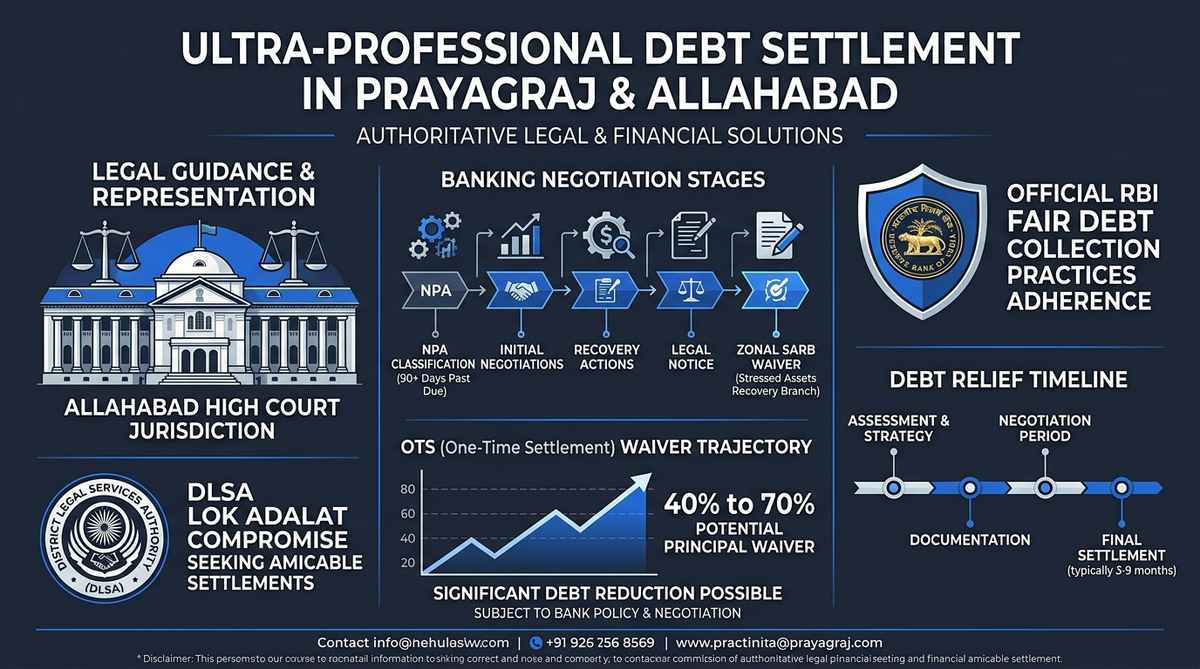
Figure 1.0: End-to-End Prayagraj Debt Settlement Framework, Court Notice Defense & Zonal SARB Resolution Protocol.
OTS Haircut Mechanics & Institutional Valuation Formula
Bank compromise decisions depend on financial recovery mathematics. When assessing One-Time Settlement offers, bank Zonal Settlement Committees in Civil Lines, Prayagraj utilize a standardized Net Present Value (NPV) recovery valuation formula. Because unsecured personal loans lack collateral, pursuing years of court litigation consumes substantial legal fees and ties up regulatory capital.
Where C_t represents estimated recoveries, r is the discount rate, and deductions account for 3–5 years of court friction and capital locked in NPA provisions.
When a borrower offers an upfront lump-sum payment, the bank frees provisioned capital and eliminates litigation overhead. Because prolonged civil suits yield lower net returns, bank committees routinely approve 40% to 70% principal waivers and waive 100% of accumulated penal interest.
Enforcing RBI Anti-Harassment Directives & Police Limits
The RBI's updated Master Direction on Recovery Agents (2022) establishes strict behavioral boundaries for lenders. Collection calls are prohibited before 8:00 AM and after 7:00 PM. Agents cannot visit government offices, schools, or hospitals, nor may they use abusive language or contact family members.
Furthermore, Supreme Court rulings in Arnesh Kumar and Lalita Kumari established that police cannot intervene in commercial loan defaults. Police stations across the Prayagraj Commissionerate—including Civil Lines, Kotwali, Georgetown, and Naini—cannot register FIRs or summon borrowers for civil debt default.
When recovery agents violate statutory guidelines, our advocates issue Cease-and-Desist notices to the bank Principal Nodal Officer and lodge complaints on the RBI Integrated Ombudsman Portal (CMS), compelling recovery desks to negotiate professionally.
5-Step Legal Settlement Protocol in Prayagraj
Achieving a binding debt compromise follows an advocate-led protocol across five strategic stages:
Financial Hardship Dossier Compilation
We compile verified financial distress records—including salary statements, medical bills, and trade ledgers—proving bona fide inability to maintain original installments.
Cease-and-Desist Notice & Anti-Harassment Shielding
Our advocates serve statutory notices on the bank's Principal Nodal Officer and Zonal Heads in Civil Lines, terminating recovery calls and preventing office visits.
Statutory Court Notice Defense in Prayagraj Courts
Counsel prepares and files structured replies to Section 138 NI Act and Section 25 PSSA notices before CJM courts in Kutchery, shielding borrowers from warrants.
Direct Negotiations with Civil Lines Zonal SARB Desks
Bypassing collection agents, our negotiators interact directly with bank Stressed Assets branches and Zonal Committees to secure 40% to 70% debt waivers.
Sanction Letter Audit & Mandatory NDC Delivery
We audit the official bank sanction letter for legal accuracy before payment via RTGS, ensuring delivery of the zero-balance No Dues Certificate within thirty days.
Sanction Letter Forensics & Mandatory ₹0 NDC Enforcement
Borrowers must never pay settlement amounts based on verbal promises or informal messages. A valid OTS Sanction Letter must arrive on official bank letterhead, displaying bank emblems, officer employee codes, exact waiver figures, and payment details directly into the loan account.
Under RBI Circular RBI/2023-24/60, lenders must deliver the final No Dues Certificate (NDC) and update credit bureaus within thirty calendar days of payment. If the bank delays beyond thirty days, it must pay ₹5,000 per day of delay to the borrower.
Following settlement, credit bureaus record the loan as 'Settled' with zero balance. While credit scores drop initially, borrowers can rebuild their CIBIL score back to 750+ within eighteen to twenty-four months through disciplined credit management.
Comparative Debt Resolution Pathways for Prayagraj Borrowers
Compare the principal debt resolution avenues available in Prayagraj and Kaushambi to evaluate which legal strategy aligns best with your financial goals:
| Resolution Pathway | Principal Haircut Range | Legal Binding Finality | CIBIL Bureau Status | Resolution Timeline |
|---|---|---|---|---|
| Direct Zonal SARB Settlement (Prayagraj) | 40% – 70% Principal Haircut | Complete (Official Bank NDC Issued) | 'Settled' / ₹0 Outstanding Dues | 3 to 6 Weeks |
| DLSA Lok Adalat (Prayagraj & Kaushambi) | 45% – 70% Principal Haircut | Absolute (Civil Court Decree, No Appeal) | 'Settled' / ₹0 Outstanding Dues | Quarterly Lok Adalat Cycles |
| Institutional Loan Restructuring | 0% Haircut (Tenure Extension Only) | Conditional on Monthly Service | 'Restructured' / Active Debt Liability | 2 to 4 Weeks |
| Contested Court Litigation (Kutchery / HC) | Uncertain (Judicial Discretion) | Subject to Protracted Appeals | 'Suit Filed' / Compounding Arrears | 4 to 7 Years |
Premier Loan Settlement & Legal Defense Services in Prayagraj
Overcoming debt distress across Prayagraj, Allahabad, and Kaushambi requires dedicated advocate representation. Our legal team halts recovery harassment, defends court notices in Prayagraj District Court, and negotiates directly with bank credit committees to secure maximum debt waivers and legal closure.

Settle Loan is India's trusted debt relief and loan settlement platform. We help borrowers overcome financial distress by negotiating with banks and NBFCs to legally settle personal loans and credit card debts. With our transparent, performance-based approach, you can achieve debt freedom and regain your financial peace of mind.
COMPUTER
Frequently Asked Questions on Debt Settlement in Prayagraj
Why do government staff, teachers, and merchants in Prayagraj need specialized debt settlement advocates?
Many personnel at the AG Office, Railways, High Court, and Katra retail shops face cash flow crises. Recovery agents harass families and issue court notices. Our advocates enforce RBI rules, halt harassment, and negotiate 40% to 70% OTS waivers directly with bank Zonal SARB desks in Civil Lines.
Can the Allahabad High Court stay coercive recovery actions or police harassment?
Yes. Under Article 226 of the Constitution, the Allahabad High Court prohibits coercive recovery tactics and recovery musclemen. If lenders bypass statutory recovery procedures, our advocates file writ petitions to stop coercive harassment and enforce strict compliance with RBI fair lending directions.
Can a lender freeze or attach my salary account if I am a government employee in Prayagraj?
Under Section 171 of the Indian Contract Act, 1872, a bank lien applies only to accounts within its own branches. Furthermore, Section 60(1) of the Code of Civil Procedure, 1908 exempts government salaries, basic living allowances, and pensions from judicial attachment without an explicit civil court decree.
Can the Prayagraj Police Commissionerate summon or arrest me for personal loan default?
No. Loan default is strictly a civil breach of contract. Under Supreme Court directives in Arnesh Kumar and Lalita Kumari, police stations in Civil Lines, Kotwali, Georgetown, or Naini have no legal authority to register FIRs or summon borrowers for civil loan default.
How should I handle Section 138 NI Act or Section 25 PSSA notices in Prayagraj District Court?
Borrowers have a 15-day window to reply to court notices. Our advocates file formal legal replies establishing hardship and disputing penalty charges. This shifts the dispute from court litigation to an amicable compromise decree at the National Lok Adalat.
How does the District Legal Services Authority (DLSA) Prayagraj Lok Adalat settle loan defaults?
DLSA Prayagraj holds quarterly National Lok Adalats at the District Court campus in Kutchery. Under Section 21 of the Legal Services Authorities Act, 1987, a Lok Adalat compromise decree is final, non-appealable, and grants 40% to 70% principal waivers with complete debt closure.
Are borrowers in Kaushambi district also covered under Prayagraj legal settlement services?
Yes. Borrowers across Kaushambi, including Manjhanpur, Bharwari, and Sirathu, face recovery actions from regional banking hubs in Prayagraj. Our legal team defends court notices in Kaushambi District Court and represents borrowers during DLSA Kaushambi Lok Adalat sessions.
What percentage of debt waiver can Prayagraj borrowers achieve through bank OTS policies?
Depending on default age beyond 90 to 180 days and documented financial hardship, our advocates secure 40% to 70% principal waivers on unsecured personal loans. We also negotiate a 100% waiver on all accumulated penal interest and late fees.
What is the mandatory timeline for banks to provide a No Dues Certificate post-settlement?
Under RBI Circular RBI/2023-24/60, lenders must issue an authentic zero-balance No Dues Certificate within 30 calendar days of settlement. If the bank delays beyond this period, it must pay ₹5,000 per day of delay to the borrower.